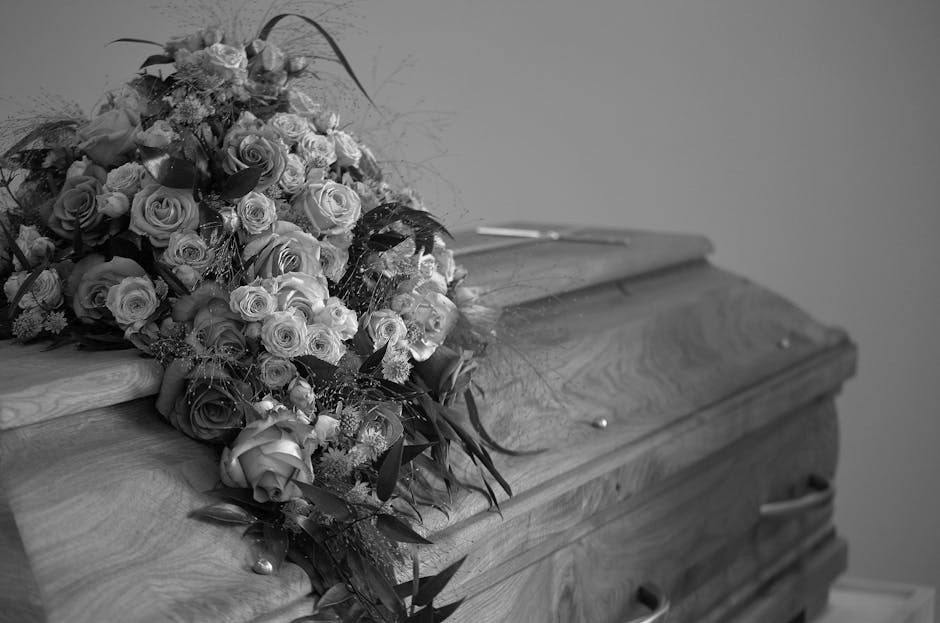
Managing public floral tributes Hackney Council guidance for funerals
Posted on 28/10/2026
Managing Public Floral Tributes Hackney Council Guidance for Funerals
When a funeral draws a crowd, flowers can quickly become part of the story. They arrive with cards, ribbons, wreaths, and a lot of feeling attached to them. Managing public floral tributes Hackney Council guidance for funerals is really about keeping that moment respectful, tidy, and simple for everyone involved. If you are arranging a service, helping a family, or supporting a venue in Hackney, the small practical details matter more than people expect.
This guide explains how public floral tributes are usually handled around funerals, why local guidance matters, and what to do so flowers are collected, displayed, moved, or removed without stress. It also covers the sorts of decisions people often leave too late. And yes, that includes the awkward "where do all these wreaths go after the service?" question, which comes up more often than you might think.
To be fair, most people only deal with this once or twice in a lifetime. That is exactly why a clear, human explanation helps.
You will find practical steps, a checklist, comparison advice, and answers to common questions below. If you need funeral flowers in the area, you may also find it useful to look at our funeral flowers in Hackney Marshes and the wider funeral tribute collection for wreaths, sprays, posies, and letter tributes.
Table of Contents
- Why Managing Public Floral Tributes Hackney Council Guidance for Funerals Matters
- How Managing Public Floral Tributes Hackney Council Guidance for Funerals Works
- Key Benefits and Practical Advantages
- Who This Is For and When It Makes Sense
- Step-by-Step Guidance
- Expert Tips for Better Results
- Common Mistakes to Avoid
- Tools, Resources and Recommendations
- Law, Compliance, Standards, or Best Practice
- Options, Methods, or Comparison Table
- Case Study or Real-World Example
- Practical Checklist
- Conclusion
- Frequently Asked Questions
Why Managing public floral tributes Hackney Council guidance for funerals Matters
Flowers at a funeral are not just decoration. They are part of public grief, family memory, cultural tradition, and the shape of the day itself. In a busy London borough like Hackney, that can create a few practical headaches if nobody takes charge of the tribute flow.
Public floral tributes may arrive at a chapel, cemetery, crematorium, church, or funeral home entrance. They may be delivered early, clustered together, or placed where they could block access, create confusion, or get damaged. If the funeral is large, or if several relatives and friends are arranging flowers separately, the number of tributes can grow quickly. Quietly, without much warning, you end up with a lovely but slightly chaotic pile of stems, cards, and cellophane.
That matters because flowers are often emotionally meaningful. A misplaced card can feel like a missed message. A wreath left out in rain or wind can feel careless. A delivery that misses the timing can disrupt the service. And in a local setting, the venue itself may have rules about where displays can be placed, when they can arrive, and who can remove them afterwards.
Good floral tribute management helps with dignity. It also helps with safety and flow. Mourners need clear entrances, room for chairs and vehicles, and enough space to gather without stumbling around boxes and buckets. Simple things, really. But in the middle of a funeral day, simple things are everything.
Practical summary: the aim is not to make public floral tributes feel controlled or impersonal. The aim is to make sure they are respectful, visible, safe, and easy to manage before, during, and after the funeral.
How Managing public floral tributes Hackney Council guidance for funerals Works
In most funeral settings, floral tribute management follows a straightforward pattern: deliveries are timed, tributes are checked in, placed in a suitable area, displayed during the service, and then collected or taken away afterwards. The details vary depending on the venue, the family's wishes, and any local requirements for public spaces.
If the funeral involves a public route, a roadside gathering point, or a memorial area, the council or venue may expect floral tributes to be arranged so they do not obstruct pavements, gates, sightlines, or access for other users. That is especially important in a borough where streets, venues, and public spaces can be busy and compact. A respectful arrangement still needs to be practical. Both things at once.
Usually, the process starts with one person - often a funeral director, family representative, or florist - deciding how tributes should be handled. They may confirm the delivery time, label the tributes, note any card messages, and decide whether there will be a central display table, a tribute stand, or a specific area near the coffin or service entrance.
In many cases, the florist will deliver directly to the venue or to the family's chosen address. If you need a reliable local option, the Hackney Marshes florist page is a useful starting point for local delivery arrangements, while same-day flower delivery in Hackney Marshes can help when timing is tight.
After the service, the tributes may be distributed to close family members, left with the coffin, taken to a graveside or memorial location, or removed by the venue according to local practice. There is no single universal method. What matters is agreeing the approach before the day arrives. Otherwise it becomes a bit of a scramble, and nobody wants that on a funeral morning.
Key Benefits and Practical Advantages
Managed properly, public floral tributes offer more than visual beauty. They support the tone of the day and make the experience easier for the family and guests. Here are the main advantages.
- Respectful presentation: tributes can be displayed neatly and in a way that suits the service.
- Less stress on the day: one person or one team knows where everything goes.
- Better timing: deliveries can be aligned with the service, not left to chance.
- Reduced risk of damage: flowers are less likely to be knocked, crushed, or left in unsuitable weather.
- Safer access: pathways, entrances, and gathering points stay clear.
- Clearer family wishes: everyone knows whether tributes stay, are moved, or are collected.
- More dignified photographs and memories: the floral arrangement can support the ceremony visually without looking cluttered.
There is also a quieter benefit. Good organisation helps people focus on the person being remembered, rather than on logistics. That sounds obvious, but in real life it is huge. The less the family has to think about transport boxes, missing cards, or a wet wreath leaning against a wall, the more they can simply be present.
For many families, the style of flowers also matters. White tributes often feel calm and traditional. Mixed colours may feel warmer or more celebratory. Roses, lilies, chrysanthemums, and custom lettering each bring a different tone. If you are choosing a tribute style, the sympathy flowers and wreaths collections can help you match the arrangement to the mood of the service.
Who This Is For and When It Makes Sense
This guidance is useful for anyone involved in planning or supporting a funeral in Hackney, especially where multiple tributes are expected or the service takes place in a public-facing setting.
It is especially helpful for:
- families arranging a funeral independently or with a funeral director
- funeral directors coordinating flowers with a venue
- church, crematorium, cemetery, or chapel staff
- florists delivering tributes on a fixed schedule
- friends or community groups organising public condolences
- venues dealing with a large attendance or multiple delivery points
It also makes sense when the funeral involves:
- a procession or public arrival
- a roadside or pavement gathering
- a memorial service with a large number of floral gifts
- international family members sending flowers from afar
- custom letter tributes, wreaths, or large sprays that need extra space
Sometimes people assume a few bouquets will be easy to handle. Usually they are. But once the service becomes more public, or if different households send separate tributes, it starts to need coordination. That is when a calm plan saves the day.
Step-by-Step Guidance
If you want the practical version, here it is. Keep it simple, and keep it written down. A funeral day is not the moment to rely on memory alone.
- Confirm the venue's flower policy. Ask where tributes should be delivered, when they can arrive, and where they will be placed. Some sites prefer a side entrance or a specific holding area.
- Choose who will coordinate the tributes. One contact should gather the messages, timings, and layout choices. Too many voices can muddy the waters.
- List the expected flowers. Note wreaths, sprays, posies, letter tributes, casket sprays, and any personal items attached to them.
- Agree the display plan. Decide whether tributes should be arranged in rows, around the coffin, beside the entrance, or on a table.
- Set the delivery window. Give enough time for placement before mourners arrive. Late deliveries are stressful and easy to avoid.
- Label the tributes if needed. This is especially useful if many family branches are ordering separately.
- Check the weather. Outdoor tributes need protection from rain, wind, or cold. A little planning helps a lot.
- Brief the person receiving them. Make sure they know where to store them if the service has not yet started.
- Decide what happens after the service. Will family members take flowers home? Will they go to a graveside? Will the venue remove them later?
- Follow up after the funeral. Collect any items left behind, including cards, stands, ribbon wording, or personal keepsakes.
If you are ordering flowers for the day, choose arrangements that suit the setting and travel conditions. For example, a compact basket, a spray, or a wreath may be easier to position than a very tall arrangement if the entrance is busy. The sprays and baskets and posies categories are often practical choices for services where space is tight.
And one more thing: if a tribute is personalised, double-check spelling. It sounds obvious, but names and nicknames deserve careful attention. One tiny typo can feel a lot bigger than it looks on the screen.
Expert Tips for Better Results
Small details make a surprisingly big difference with funeral flowers. Here are the points that tend to matter most in practice.
1. Match the tribute size to the venue
A grand wreath may be perfect for a large chapel, but it can overwhelm a small side room. Think about the physical space first, then the style.
2. Keep the card wording readable
Handwritten cards are lovely, but not if the message is cramped or hard to read. Use short, clear wording when in doubt. The emotion still lands.
3. Avoid overcomplicating the colour palette
Mixed colours can be beautiful, yet a funeral setting often looks calmer with a restrained palette. White and green, soft pink, purple, or deep red are common choices depending on the family's wishes.
4. Build in delivery slack
Traffic happens. So do access issues, doorbell confusion, and the odd misplaced postcode. Give yourself a time buffer. Truth be told, this one saves more trouble than anything else.
5. Use one person as the final decision-maker
A funeral day is not a committee meeting. One calm contact for floral matters keeps the process moving.
6. Think about carrying and collection
If family members are taking flowers home afterwards, consider the size and transport method. Some tributes travel better than others. A spray with a sturdy base is often easier to move than a loose bouquet.
If you need flowers that feel quietly elegant and straightforward, look at funeral cards to accompany tributes and the tributes range for more formal memorial pieces.
Common Mistakes to Avoid
The most common problems are rarely dramatic. They are usually the small, annoying things that pile up. The good news? They are easy to prevent.
- Leaving delivery too late: flowers arriving after guests is awkward, and often avoidable.
- Not confirming venue rules: every site has its own practical approach, even if it is informal.
- Forgetting card names: a tribute without a clear sender can create confusion.
- Overcrowding the display area: too many tributes in one spot can make the service look cluttered.
- Ignoring weather conditions: outdoor flowers need protection, especially on a damp or windy day.
- Assuming someone else will collect them: after the service, tributes can easily be left behind unless a person is nominated.
- Using fragile packaging: lots of ribbon and paper looks nice until it starts moving in the wind. A bit of practicality helps.
A less obvious mistake is ordering flowers that clash with the character of the service. That is not about rules, just sensitivity. A highly colourful arrangement may be perfect for one family and feel out of place for another. When in doubt, ask what tone is wanted: formal, traditional, bright, understated, or personal.
Another one people forget? A tribute card that's too long. Shorter is often stronger. You do not need to write a novel to say goodbye.
Tools, Resources and Recommendations
Managing public floral tributes well does not need complicated systems. A few basic tools are usually enough.
- A simple contact sheet: names, phone numbers, and who is responsible for each tribute.
- A delivery timetable: especially helpful when several florists or family members are involved.
- Labels or tags: useful for identifying sender names and message cards.
- Photos of the venue layout: can help the florist understand where tributes will sit.
- Transport boxes or carriers: useful for moving flowers after the service.
- Weather protection: covers, wraps, or sheltered placement for outdoor tributes.
If you are choosing a florist, look for one that offers clear ordering, reliable delivery windows, and products suited to memorial work. In our experience, the best results come from simple communication rather than over-explaining everything. A short note with the service time, venue access details, and preferred tribute style is usually enough.
For locally relevant options, you can also explore flower delivery in Hackney Marshes, or the broader flower shops in Hackney Marshes page if you want to compare local ordering routes. If the arrangement needs to arrive the next day, there is also next-day flower delivery available for time-sensitive plans.
Law, Compliance, Standards, or Best Practice
There is no single universal funeral-flower law that covers every situation in the same way, and that is important to say plainly. What usually applies is a mix of venue policy, local practical rules, public-space expectations, and general good practice around safety and respect.
If flowers are being placed in a public or shared space, the key considerations are straightforward:
- do not block access routes or exits
- do not create a trip hazard
- do not interfere with the safe movement of mourners, staff, or vehicles
- follow the venue's instructions on placement and removal
- avoid leaving items where they could be blown away or damaged
For family members and organisers, the safest approach is to ask the venue or funeral director how they prefer tributes to be handled. That might include delivery timing, placement rules, and collection after the event. If the funeral involves a council-managed public area, a local authority may have its own expectations for keeping walkways, roadside edges, or memorial spots clear.
Best practice is mostly common sense, but common sense gets busy on the day. A written plan, even a short one, is often enough to keep things tidy and respectful.
Options, Methods, or Comparison Table
Different tribute types suit different funeral settings. Here is a practical comparison to help you choose.
| Tribute type | Best for | Advantages | Points to consider |
|---|---|---|---|
| Wreath | Formal services, central displays | Classic shape, stable, widely recognised | Can be large; needs enough display space |
| Spray | Coffins, caskets, and side displays | Elegant, structured, easy to position | May need a firm surface or stand |
| Posy or basket | Smaller venues or family tributes | Compact, easy to carry, simple to move afterwards | Less visually dominant than larger tributes |
| Letter tribute | Personal messages or names | Highly personal, memorable, easy to read | Needs careful spelling and transport planning |
| Casket spray | Direct coffin display | Focal tribute, often chosen by immediate family | Should match coffin size and service style |
For many families, the right answer is not one big dramatic arrangement but a mix. A casket spray can be paired with smaller wreaths or sympathy flowers from friends. That gives the service a coherent look without turning the venue into a flower warehouse. Beautiful, but a bit much if overdone.
Case Study or Real-World Example
Imagine a family arranging a funeral in Hackney with tributes coming from close relatives, neighbours, and three different groups of friends. The service is set for late morning, and the venue entrance is shared with other users, so space is limited.
Instead of letting flowers arrive whenever each sender chooses, one family contact gathers the orders and speaks to the florist and venue. They agree that larger tributes will arrive first, smaller bouquets later, and everything will be set out in a side display area before guests arrive. The florist sends white and purple tributes to keep the overall look calm and consistent. Cards are checked, names are confirmed, and the biggest wreath is placed where it can be seen without blocking the doorway.
After the service, close family take home a few arrangements, while the larger tributes are moved to a graveside later in the day. Because the plan was clear, nobody is left wondering who should carry what or where the cards went. The family still has a hard day, of course. But the flowers support the day instead of complicating it.
That is really the aim here. Nothing flashy. Just a decent, respectful process that lets people breathe a little easier.
Practical Checklist
Use this checklist when managing funeral flowers and public floral tributes in Hackney.
- Confirm the funeral venue and exact delivery point
- Ask about any council or venue guidance for public placement
- Nominate one person to coordinate all tributes
- Confirm the service time and arrival window
- List all tribute types expected
- Check names, spellings, and card messages
- Decide where flowers will be displayed
- Arrange weather protection if needed
- Confirm who will collect tributes after the service
- Make sure access routes stay clear
- Tell the florist about any special instructions
- Keep a backup contact number handy
If you prefer to have your flowers delivered with minimal fuss, the delivery information page and guarantees page can help set expectations before the day.
Conclusion
Managing public floral tributes Hackney Council guidance for funerals is really about care, timing, and a bit of organisation. The flowers themselves carry the emotion. Your job is to make sure they arrive where they should, look right, and are handled respectfully before and after the service. It does not need to be complicated, but it does need to be thought through.
When you plan the deliveries, confirm the venue's expectations, and keep the display simple and dignified, the day feels calmer. That matters more than most people realise. Flowers are often the first thing people notice and the last thing they remember. Get them right, and they quietly support the whole farewell.
If you are arranging funeral flowers now, choose a reliable local florist, agree the timings early, and keep the tribute plan simple. It is one less thing to worry about, and on a day like that, that's no small thing.
Get a free quote today and see how much you can save.
Frequently Asked Questions
What does managing public floral tributes mean at a funeral?
It means organising how flowers are delivered, displayed, collected, or removed so they fit the funeral plan and do not cause clutter, confusion, or access problems.
Do I need Hackney Council permission for funeral flowers?
Usually the main thing is venue or site guidance rather than a formal permission process, but if flowers are being placed in a public area, you should check with the relevant local authority or venue first.
Who should coordinate all the tributes?
One person should take responsibility, ideally a family contact or funeral director. That avoids mixed instructions and keeps the delivery and display plan clear.
When should funeral flowers be delivered?
They are usually delivered before the service, with enough time for placement and checking. The exact timing depends on the venue and access arrangements.
What types of tributes are best for a funeral?
Wreaths, sprays, posies, baskets, and letter tributes are all common. The best choice depends on the size of the venue, the style of the service, and the family's wishes.
Can I send flowers directly to the venue?
Yes, if the venue accepts deliveries and you have the correct timing and address details. It is wise to confirm this before ordering.
What happens to the flowers after the funeral?
They may be taken home by family members, moved to a graveside, left at a memorial spot, or removed by the venue according to the agreed plan.
Are there any rules about flowers blocking pavements or entrances?
Yes, in practice there should be no obstruction of entrances, exits, or walkways. Safety and access always come first, even with respectful displays.
How can I make sure the card message is correct?
Check spelling carefully, especially names and family titles. Keep the message short if needed, and ask someone else to proofread it before ordering.
What if flowers are arriving from several different people?
That is very common. The easiest approach is to give everyone one delivery plan and one contact person so the tributes arrive in an organised way.
Should funeral flowers match the coffin spray?
They do not have to match exactly, but a coordinated colour palette usually looks calmer and more thoughtful. White, green, purple, and soft pink are often chosen for that reason.
Can local florists help with urgent funeral flowers?
Yes, many local florists can help with same-day or next-day delivery where available. For time-sensitive orders, it helps to call early in the day and give clear instructions.
And if you are still unsure, that is normal. Funeral flower planning often feels bigger than it looks on paper. A calm conversation, a clear delivery plan, and a respectful tribute usually go a very long way.